Preparing for Pregnancy: A Nurse’s Guide to Preconception Health
The opportunity to bring life into this world is a beautiful thing and something I don’t think I will ever fully grasp. As God’s creation, He literally commissioned us to do this very thing— “be fruitful and multiply” (Genesis 1:28). All throughout the bible are examples of God opening the womb, blessing families, valuing parenthood, generational legacy, and the home—all for His glory and our good (Genesis 30:22; Genesis 1:28; Exodus 20:12; 2 Timothy 1:5; Titus 2:5; Psalm 127:3-5).
Like all things in life, pregnancy belongs to the Lord. It is ultimately in His hands. But, like most things, we have a role to play… a beautiful responsibility of stewarding the bodies and minds He’s given us to best fulfill whatever He calls us to.
While we can do our best to care for our bodies to prepare for the gift of a child, we can rest in the fact that He is sovereign over it. His will be done. His timing is perfect, and He is good.
In this post, I’d like to share with you just a few tips regarding how to care for your body before bringing a precious soul into the world.
Consider this a place to start. I do not plan to give you all the answers, and I am no expert, but to get you asking questions and encourage you. I hope it blesses you.
Preparing Your Body for Pregnancy
One thing that nursing has taught me is that the body is an amazing thing. Our bodies are always at work growing muscles, fighting things off, detoxing, metabolizing, etc. They can grow life, grow muscles, heal, and adapt.
While our bodies can endure a lot, there are things we can do to support them in functioning at their best. Making a few changes before pregnancy, can help to create a safe and healthy environment for the conception and growth of a child.
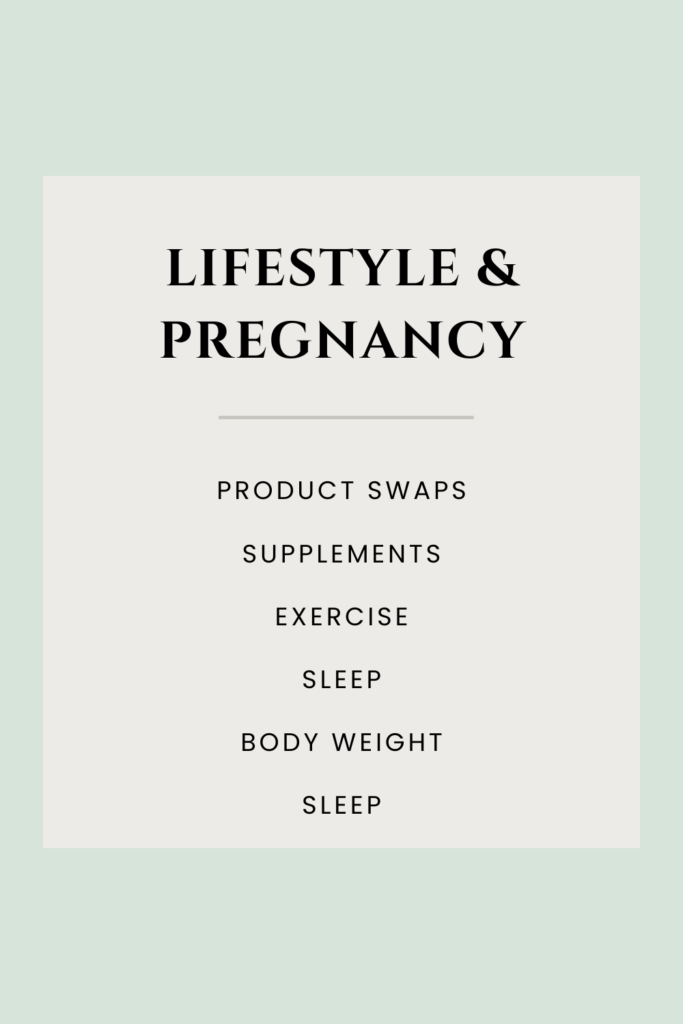
Lifestyle and Pregnancy
What we put into and on our bodies has a big impact on our overall health. Eating healthy food, for instance, fuels natural body processes. Some products in makeup, for example, can disrupt our endocrine system and expose us to toxins.
When preparing for pregnancy, it can be helpful to become more intentional about the products you use and to discuss specific ingredients or exposures with your healthcare provider.
One thing to keep in mind is that not everything has to change all at once. It may be helpful to simply replace products with healthier alternatives when you run out of what you currently have.
Product Swaps to Make Before Pregnancy
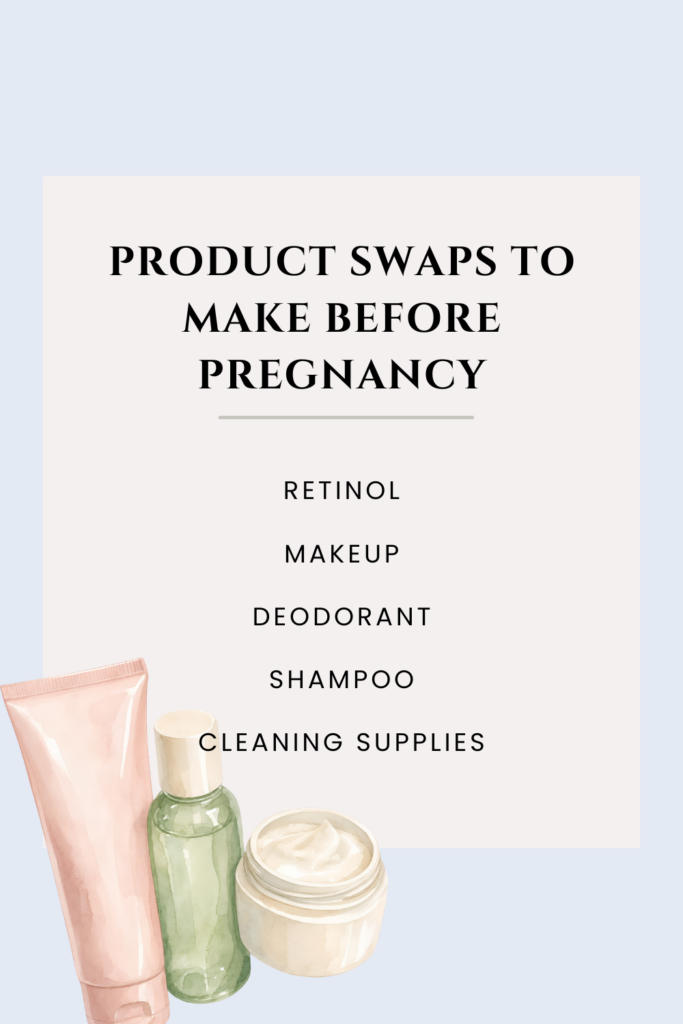
Retinol
This is a beloved skincare product of mine. It increases cell turnover, treats and prevents acne, and leaves skin glowing. But, because topical retinoids are generally recommended to be avoided during pregnancy due to potential fetal risk, consider discussing your skincare routine with your healthcare provider when planning pregnancy (1). Switching to a non-retinol alternative such as bakuchiol or glycolic acid may be a good option when trying to conceive (this one looks great, too). Doing so limits the risks associated with retinol and gives your skin time to adjust to a new product before entering into some of the pregnancy-induced skin changes. Again, chat with your healthcare provider.
Makeup
I was surprised to discover that most of the makeup I had been using for years contained harmful ingredients. There is some debate out there regarding what products are best for us. EWG is a resource I find helpful when looking into new products. I’ve also heard that Yuka is helpful.
Deodorant
Using one of the resources I mentioned above can help you to find a deodorant that works for you. This process can take some trial and error.
Shampoo, Conditioner, Soaps
Looking for products without sulfates, parabens, or synthetic fragrances can help to limit our exposure to chemicals. The Attitude Super Leaves Shampoo seems to be a good option.
Household Cleaning Products
Making the switch to natural cleaning products, like castile soap (Dr. Bronner’s is a good one), vinegar, baking soda, etc. can improve the quality of air in your home and decrease toxins in the home by limiting the exposure to synthetic chemicals, volatile organic compounds, and other harmful substances that can harm multiple body systems (2). Even something as simple as Dawn dish soap contains more than eight ingredients that can be harmful for us (3). And, they are often more affordable and long-lasting than leading brands you will find in the store.
Keep in mind that many of the products that are marketed as “healthy” still contain many of the harmful ingredients we should avoid exposure to, especially when trying to conceive. Reading the label and using trusted resources are a big help.
Supplement Recommendations Before Pregnancy
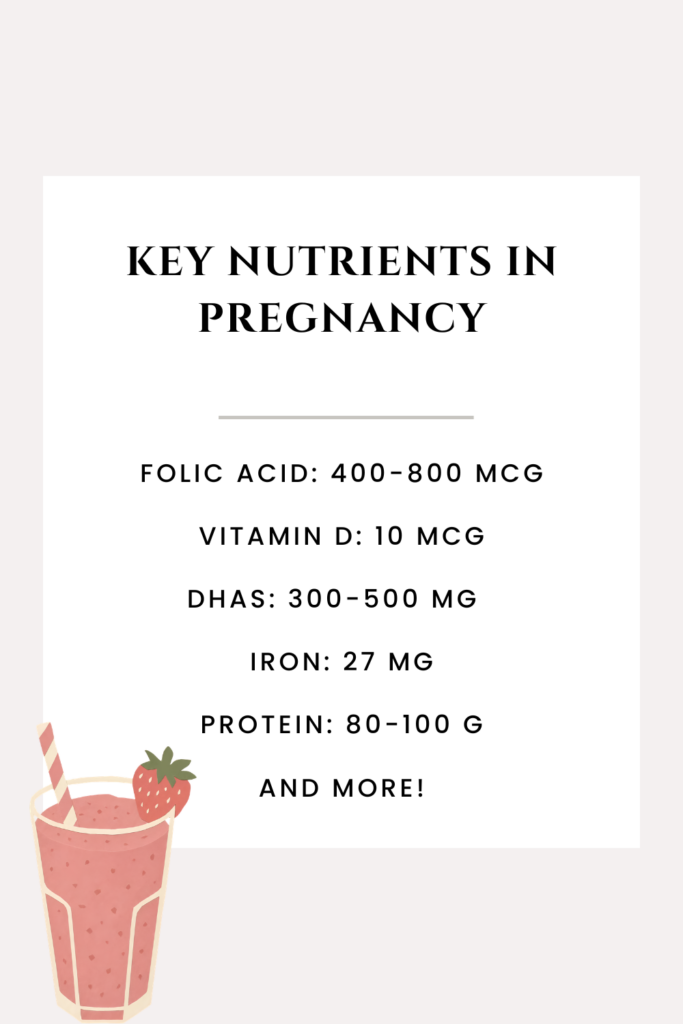
The vitamin and supplement industry seems to be booming. Influencers everywhere are promoting new products that promise to be the key to our health. From a medical perspective, the average healthy individual can get most of the vitamins and minerals they need from food sources. In fact, it is actually better this way. There are certain populations, however, that require supplementation due to a variety of reasons, and pregnancy is one of them (others include illness, stage of life, location, diet, etc.). Taking too much of what we don’t need doesn’t do us any good. Oftentimes these products give healthy people too much of what they already have, so our bodies then have to take time to break down and eliminate more things.
Pregnancy calls for a few unique needs, however, and most professionals across the board agree on a few key needs in pregnancy.
Folic Acid and Pregnancy
400-800 mcg/day
Folic acid is needed for the development of the neural tube, which forms very early in pregnancy—often before you know you are pregnant! So, getting adequate folic acid before conception is important. Many prenatal vitamins contain the recommended amount, but talk with your healthcare provider about the dose that’s right for you, particularly if you have medical conditions or other risk factors. Personally, I use the Garden of Life Organics Prenatal Gummies Multivitamin.
Nursing tip!
- It is best to focus on adequate nutrition and supplementation at least one month before trying to conceive to make sure your body and baby have what they need to thrive (3).
- You will see dozens of different supplement recommendations out there (even from great sources!), but keep in mind that a healthy diet full of fruits, veggies, full-fat dairy, meats, eggs, fish, whole grains, etc. is ideal! Always chat with your healthcare professional.
How to Choose a Good Supplement
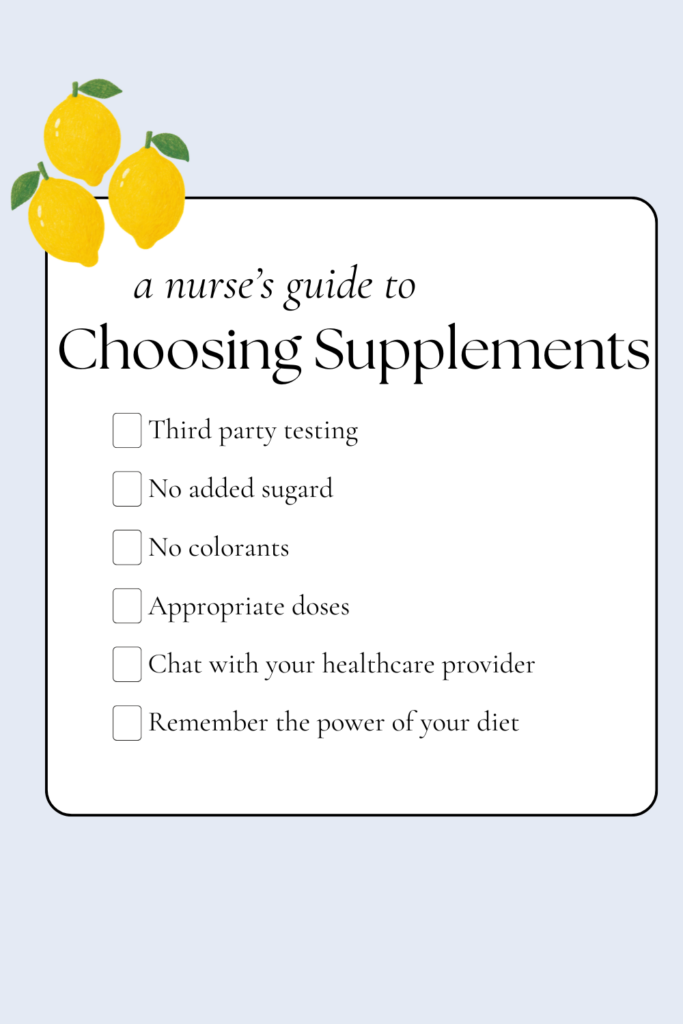
There are so many supplements out there, making it hard to find the right one. Here are a few tips to keep in mind that will help you in your search.
- Look for third party testing in your supplements (e.g., USP or NSF)
- Avoid added sugars
- Avoid colorants
- Appropriate doses (more is not always better)
Lifestyle
As you have probability picked up on, there is not one special thing you can do to best prepare your body for this special time. But, maintaining a healthy lifestyle is perhaps the greatest thing.
Exercise and Fertility
Exercise is good for many things… hormonal balance, weight, mental health, immunity, sleep, etc. Be careful to avoid over-exercise, which can lead to anovulation (no egg is released) due to an energy deficit. Maintaining a normal routine (e.g., eating, exercise, and sleep) to support circadian rhythm and therefore health body processes and regulations
Sleep and Fertility
Aiming for 7-9 hours of sleep is ideal! Sleep is an incredible design… so much happens in these hours—rest, recovery, repair, brain function, hormone balance, improved egg quality, etc.
Body Weight and Fertility
Both very low and very high body weight can affect ovulation, fertility, and pregnancy. BMI is a common screening tool, but it does not tell the whole story about an individual’s health. Everyone’s body is different (e.g., those with higher muscle mass may have an elevated BMI but may have a healthy amount of body fat), but most research indicates that a BMI of 18.5 to 24.9 is ideal (4, 5). If you’re concerned about your weight or fertility, talk with your healthcare provider.
Schedule a Preconception Appointment
Meeting with a healthcare provider is perhaps one of the most important steps in this journey. At a preconception appointment, you will likely discuss things like current medications and supplements, medical conditions, family history, lifestyle and nutrition, medications, etc. This will also help you to determine if a midwife or OB is best for you.
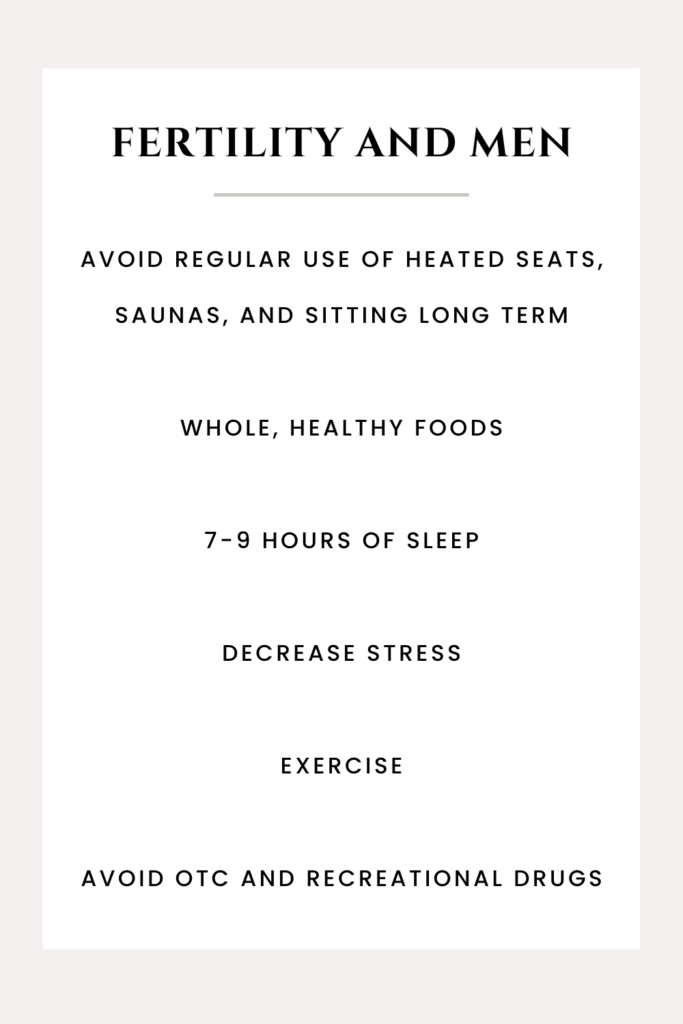
Preparing for Pregnancy: Men Matter Too
Men have a role to play, too! Here are some quick-tips you may want to share:
A Final Word on Preconception Health
Our bodies are an amazing thing. God designed them with such care and precision, and it is our job to take care of them. Making informed decisions about our health is one step we can take toward being good stewards. And, there’s great joy in doing our best and trusting God with the rest. It is all in His hands!
This article is a starting point, not a substitute for individualized medical care 🙂
References
- https://pubmed.ncbi.nlm.nih.gov/41365815/
- https://www.lung.org/clean-air/indoor-air/indoor-air-pollutants/volatile-organic-compounds
- https://www.mayoclinic.org/healthy-lifestyle/pregnancy-week-by-week/in-depth/prenatal-vitamins/art-20046945
- https://www.cdc.gov/bmi/adult-calculator/bmi-categories.html
- https://www.tommys.org/pregnancy-information/planning-a-pregnancy/are-you-ready-to-conceive/overweight-and-fertility-when-planning-pregnancy
